You built something genuinely impressive. Lights that dim on their own in the evening, a thermostat that learned your schedule without being told twice, a single tap that turns the whole living room into exactly the mood you want. It runs beautifully, every day, without a second thought — for you.
Then you leave town for a weekend, and your mother, watching the house, texts you at nine at night asking why the living room won't turn off. Or your partner stands in the hallway saying the name of a device slightly wrong, three times, getting nothing back. The system didn't fail. It just never learned anyone but you.
A smart home that only one person can operate isn't automation. It's a very elaborate personal habit that happens to live in shared walls.
None of this is a knock on wanting things to run smoothly. Wanting a home that responds to you, that anticipates the small stuff, is a completely reasonable version of soft life — less friction, fewer manual steps, more of your attention freed up for something other than light switches. The issue was never wanting that. It's that the convenience quietly stayed a personal one instead of becoming a shared one.

Why it ends up built around one person
It's rarely intentional. You set it up because you were the one motivated to solve the problem, so you named the devices things that made sense to you, built the routines around your own schedule, downloaded the one app you needed and never thought to ask whether anyone else had it too. Every decision was reasonable in the moment. The sum of all of them is a system that quietly assumes the whole household thinks the way you do.
This is the same pattern I see in a lot of household systems that go beyond just the smart devices — the one person who knows which streaming profile is whose, where the router password is written down, which subscription renews on which card. It isn't that this person hoards the information. It's that building the system took real effort, and once it worked, there was rarely a reason to go back and make it legible to anyone else, right up until the day someone else actually needed it.
There's also a version of this that shows up on ordinary days, not just when you're away. A guest asks how to turn down the music. A parent visiting for the weekend can't figure out how to just get the overhead light on without triggering four other things at once, because the routine you built links them all together in a way that made sense only to you. Each of these moments is small. Together, they quietly make your own home slightly harder for the people you love to exist in comfortably.
What actually breaks when you're not there
Picture the actual evening it happens: you're at a work dinner two states away, and your teenager can't get the porch light to turn on because it's tied to a routine that only triggers from your phone's location, not a switch anyone else can find. A five-second task becomes a group text, a screenshot of a settings menu, and a mild sense of chaos over something that used to be as simple as a light switch on the wall before it got upgraded.
The irony is real: the system was built to make life easier, and in the exact moments it matters most — you're away, you're sick, you're simply not the one home — it makes things harder than the dumb switch it replaced, because the dumb switch never required anyone to know your phone's app, your account, or your specific routines to operate it.
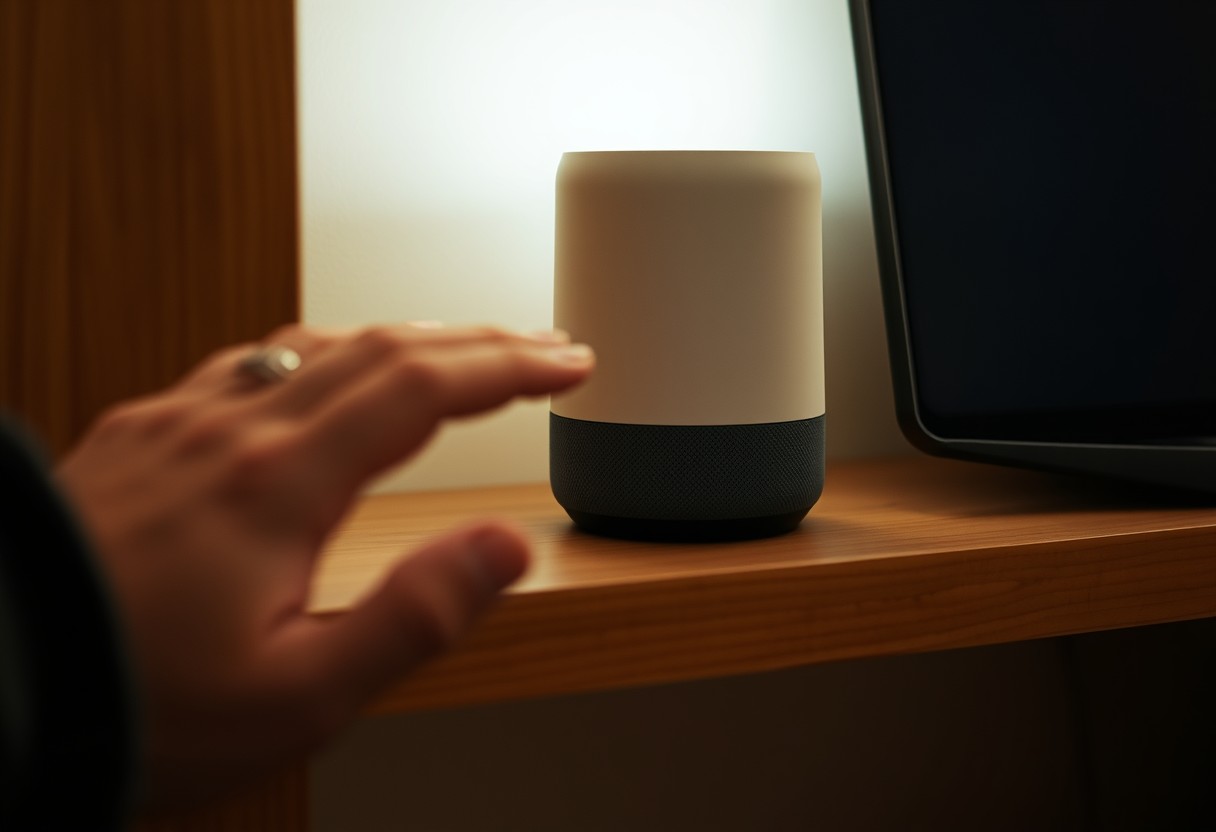
Operational sovereignty means the house doesn't stop working the moment the one person who set it up isn't standing in it.
I see the same shape in businesses constantly, not just homes — one founder who set up every tool, named every folder, built every automation around her own logic, and is now the only person who can actually operate the business she built specifically so it wouldn't need her every single minute. The instinct that builds a smart, efficient system is the same instinct that, left unchecked, quietly makes that system a single point of failure.
Making it a household system, not a personal habit
Start with the physical override. Every automated light, lock, or thermostat should have a manual, obvious way to control it that doesn't require an app, an account, or knowledge of your naming conventions — a switch on the wall, a button on the device itself. Automation should be the convenient path, never the only path, or you've built a house that's fragile exactly where it should be sturdy.
Then make the shared parts actually shared: one household login or a proper multi-user setup instead of everything tied to your personal account, device names anyone could guess without needing to know your internal logic, and one simple written note — a page in a shared notes app, nothing elaborate — that says what does what and how to turn it off if it's acting up. That single page is the difference between a guest fumbling in the dark and a guest finding the light switch in ten seconds.
None of this has to happen all at once, either. Pick the one automation that would cause the most chaos if you weren't there to explain it, and start with that. Add the manual override, write the one line explaining it, and move to the next thing only once that one is genuinely handled. A household system gets more resilient one fixed point at a time, the same way it got fragile — a small decision at a time, just in the opposite direction.
The honest question
So here's the one worth sitting with: if you were out of the house for a week with no phone signal, would the people you live with be able to run it normally, or would they be waiting for you to come back and fix something a switch used to handle without any of this? If the honest answer involves them waiting, the system isn't actually finished — it's just working, so far, because you haven't left yet.
None of this means giving up the parts you love. It means making sure the convenience you built for yourself doesn't quietly become a dependency for everyone else in the house, one that only shows up as a problem on the exact day you're not there to solve it.
Want a real look at where your setup depends a little too much on you specifically? Start here: Discover