
You're logging into something you log into every week, and suddenly there's a code. A text, an app notification, a little six-digit number you have to go find and type in before it lets you through. And the first feeling, honestly, is annoyance. 📱 You've done this login a hundred times without incident, so the interruption reads as the system being suspicious of you specifically, on a day you did absolutely nothing different from any other day.
But that code isn't the system slowing you down for no reason. It's the one moment somebody else tried to get in, and got stopped at the door before they made it any further.
Two-factor authentication is not a hoop. It's a bouncer — checking a second form of ID because the first one, your password, gets lost, guessed, or leaked more often than anybody wants to admit. Passwords fail quietly and constantly, in ways you'll usually never hear about; the code is the one checkpoint that doesn't rely on your password having stayed a secret.

The password gets you to the door. The code is the bouncer deciding whether the name on the list actually matches the person standing in front of them.
What it's actually checking
Your password proves you know something. The code proves you have something — your actual phone, in your actual hand, right now. Somebody three states away with your leaked password still doesn't have your phone, and that's the entire point: two different kinds of proof, so one leak alone can't get anybody all the way in. Security people call this defense in depth — not one lock strong enough to stop everything, but two different kinds of lock that would each have to fail independently, which is a much taller order for someone who only managed to steal one of them.
This is why a code is more annoying than a password and also worth more than one. It can't be guessed from a birthday. It can't be reused from another account you forgot got hacked two years ago. It expires in minutes, on purpose.
Here's how passwords actually leak, most of the time: not because someone guessed yours specifically, but because some other company you signed up for years ago got breached, and your email-and-password combination ended up on a list that gets tried, automatically, against thousands of other accounts — a bot working through it in seconds, betting that you reused that password somewhere that matters more. That's the moment two-factor earns its keep. The bot has your real password. It does not have your phone, and it never will, and that single missing piece is the whole difference between a leaked list and an actual break-in.
Not every code is built the same, either. A text message is the weakest version of this — convenient, but it can be intercepted if someone convinces your carrier to move your number to their phone, a scam called a SIM swap. An authenticator app generates the code right there on your device with no carrier involved at all, which is why it's worth the extra two minutes to set up on anything that matters. It's still the same bouncer. It's just a bouncer who can't be tricked by someone showing up with your name on a borrowed ID.
Why it feels like friction anyway
Because it interrupts you, and because most of the time nothing was actually wrong — you were just you, logging in like always, and the bouncer checked anyway. That's not the system malfunctioning. Bouncers check everybody, every time, precisely because they don't know in advance which night is the one that matters.
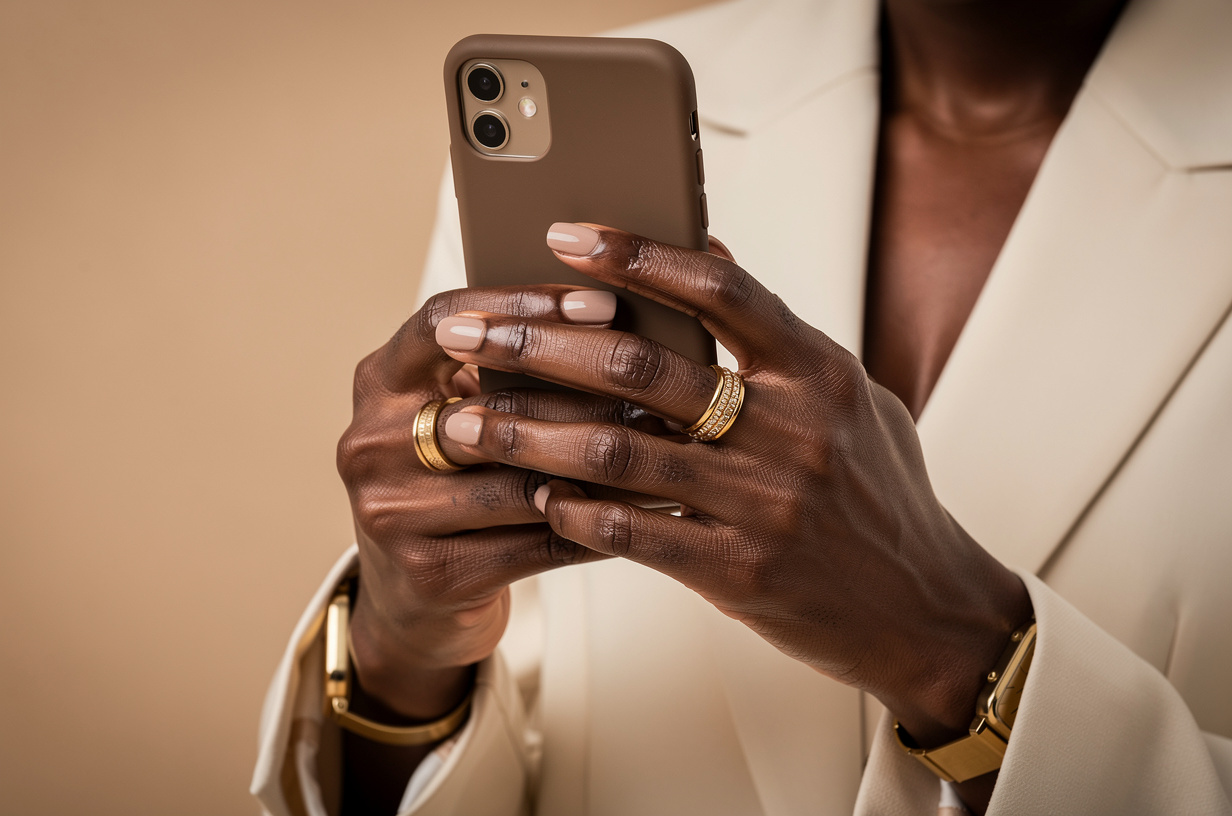
The night it does matter, that thirty-second interruption is the entire reason somebody else didn't get into your account, your money, or your client list wearing your name. 🔐
Picture the version where it works exactly as intended: somebody two states away tries your email and a password lifted from an old breach, gets waved through the first door, and then hits the code. They don't have it, can't get it, and the login just stops — no alarm, no drama, just a quiet dead end on their side of the screen. You may never even see that attempt happen. That's the whole point. The system did its job precisely by being invisible to you and impassable to them.
The takeaway
Next time that code shows up uninvited, you don't have to read it as the system doubting you. Read it as the door working exactly the way it's supposed to — checking, every single time, so the one time it should say no, it actually does.
Turn it on everywhere you can — email first, since it's the account that can reset most of your others, then anything holding money or client information. The thirty seconds of friction is doing more for you than the password ever did alone. 🤍