
You've used the same three references since your first job out of school. Your old manager, a professor, a coworker who moved three companies ago. They liked you. They'd still say something kind. None of them have watched you work in years.
That's not a small gap. A reference isn't a character witness — it's supposed to be somebody who can speak, specifically, to the work you're doing right now, and if the honest answer is that nobody currently in your corner can do that, the résumé isn't the only thing that needs rebuilding.
A reference who liked you a decade ago is not the same as a reference who can vouch for who you are today. One is nostalgia. The other is evidence.
What a stale reference is actually protecting you from
It's worth being honest about what the old list is really doing for you: it's not laziness, it's risk management. A known quantity, even an outdated one, feels safer than an ask that might get an awkward "let me think about it" back. That instinct isn't wrong. It's just optimizing for the wrong risk — the discomfort of asking, instead of the much larger cost of a reference call that doesn't actually back up the person you are now.

I see this constantly with people rebuilding after a layoff or a hard exit: the fear of reaching out to someone newer feels enormous in the moment and turns out, almost every time, to be smaller than expected once it's actually done. Most people say yes. Most people are flattered to be asked. The story where they say no is the one you rehearsed; it's rarely the one that happens.
Why the old list feels safer
Because it's already approved. You know they'll say yes, you know roughly what they'll say, and asking someone new — especially someone from a job that ended badly, or a manager you're not sure still remembers you — feels like a risk you don't need on top of everything else a transition already asks of you. So the same three names get reused, quietly, transition after transition, long after they stopped being the most accurate account of your work.
The cost shows up somewhere you won't see directly: a hiring manager calls your reference expecting to hear about the role you're applying for now, and instead gets warm, vague, three-jobs-old praise that doesn't actually match the pitch you just made in the interview. Nobody lies. The reference just isn't current, and "not current" reads as thin exactly when you need it to read as solid. 📞
There's a particular version of this during a transition that catches people off guard: the reference who genuinely wants to help but simply doesn't have the specifics anymore. They remember you were good. They don't remember the project that actually proves it, because it's been six years and the details faded the way details do. That's not disloyalty on their part — it's just what happens to memory over time, which is exactly why the reference has to be recent enough that the specifics are still intact, not just the general impression.
Building the list you actually need
Start with who's actually watched you work in the last two years, not who you're most comfortable asking. A peer who saw you handle a hard project. A client who came back a second time. Somebody a level below you who'd tell the truth about what it's like on your team — that one especially, because it's the reference type most people forget to ask for, and it's often the most convincing one in the room.
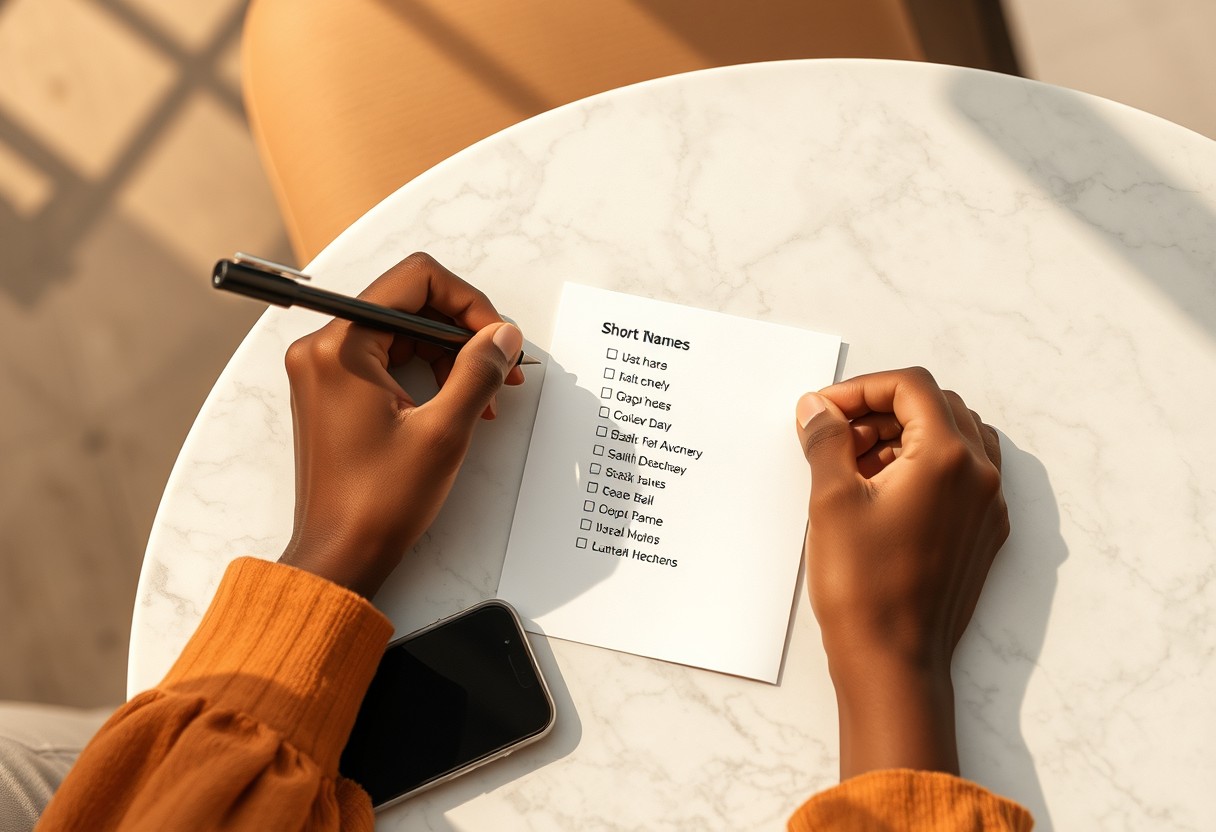
Ask them a real question before you list them, not just "can I use you as a reference." Ask what they'd actually say if someone called. If the answer is vague, that's useful information now, not a surprise during a background check three weeks from now. A reference who can name one specific thing you did is worth more than three who'll only say you were reliable.
And update the list every time the work changes meaningfully — not every job search, every real shift in what you're actually doing. A reference list frozen in 2019 is telling a story about a version of you that finished evolving five years ago.
It's worth telling the people on your new list what you're actually going for, too — not just "can I list you," but the specific role or direction, so if they do get the call, they know which part of your work to lead with. A reference who's guessing at what you want them to emphasize will default to the safest, vaguest praise available. One who knows the target can actually make the case for you, in the specific language the room is listening for.
None of this means abandoning the old names entirely. The manager who watched you grow up professionally still matters, still belongs in the story you tell about your own trajectory. It just means she shouldn't be one of the two or three people actually fielding calls right now, on her own, carrying the full weight of vouching for who you are today based on who you were when you barely knew yourself yet.
The call you're actually avoiding
Ask yourself plainly: which name on your current list would you least want a hiring manager to actually call, if you're honest about how specific and current their answer would be? That's usually the name worth replacing first — not because that person did anything wrong, but because the story they'd tell stopped being the story you're actually selling.
The list doesn't need to be perfect. It needs to hold up under one real phone call, from someone who's actually going to ask a specific question about actual, recent work. That's a much lower bar than "impressive," and a much higher one than most people's current three names currently clear.
There's also a quieter version of this worth naming: a reference list isn't just a hiring tool, it's a record of who's actually watched you grow. Letting it go stale doesn't only cost you at the next interview — it means the people who could speak most specifically to your current work are drifting further from the picture every year you don't ask them to stay in it.
Refreshing the list, then, isn't just career maintenance. It's staying in real contact with the people who've actually seen what you're capable of lately, instead of relying on secondhand memory of who you used to be.
The takeaway
You wouldn't submit a five-year-old résumé. The reference list deserves the same standard — current, specific, and actually able to speak to the work you're doing today, not the work you used to do when you first met them. 🤍
Pick one name on your current list you haven't talked to in over a year, and one new name who's watched you work recently. Start there.
Rebuilding your case for what's next? Start here: Discover