The call goes beautifully. The bride-to-be is crying happy tears, her mother is already talking about the color palette, and the deposit invoice is the only thing left. Jada hangs up glowing. Then she opens a blank email, types "Hi Courtney!" and sits there for forty-five minutes writing the welcome. 💐
It's a lovely email. It thanks them for trusting her with their day. It explains what happens next, asks for the same nine details she always needs, attaches the contract, links the deposit and walks through the timeline. Jada has sent that email forty times this year. She has never once sent it from anything but a blank page.
Forty clients. Forty versions of the same email. One woman typing every word of it at 10 p.m.
What This Actually Costs Her
Start with the hours. Forty-five minutes a client, forty clients a year, and that's before the back-and-forth when somebody misses a detail. Call it thirty hours a year spent rewriting the same message. That's most of a work week, every year, spent producing something she has already produced.

And it's not only her hours. Her clients wait, too. A welcome that sits in drafts until Jada finds a quiet forty-five minutes can take two or three days to go out, and those are the exact days a newly booked bride is telling everybody she knows about her planner. The excitement is at its peak, and the inbox is silent. In a business that runs on referrals, that gap is real money.
Then look at consistency, because that's where it gets expensive. The welcome that goes out on a Tuesday morning, after coffee, is thorough and warm. The one that goes out on a Friday night after a ten-hour wedding is three lines and a contract. Same price, different experience. The client who got the Friday version doesn't know why it felt thinner. She just knows it did.
Then the mistakes. Twice this year the contract didn't get attached. Once the deposit link pointed at last season's pricing. Each one cost a round of apologies and a few days of delay, and a deposit that arrives a week late is a week Jada can't book the florist.
And there's the cost nobody puts a number on. Every one of those forty-five minutes came out of the same pool of energy Jada needs for the creative work, the vendor calls and the day itself. She's spending her best attention on the one part of the job that never changes.
Why She Does It This Way
Ask Jada and she'll tell you straight: a template feels cold. Her grandmother wrote every thank-you note by hand, and Jada built a whole business on making people feel personally cared for. In her head, a reused email is a shortcut, and a shortcut is a kind of disrespect.
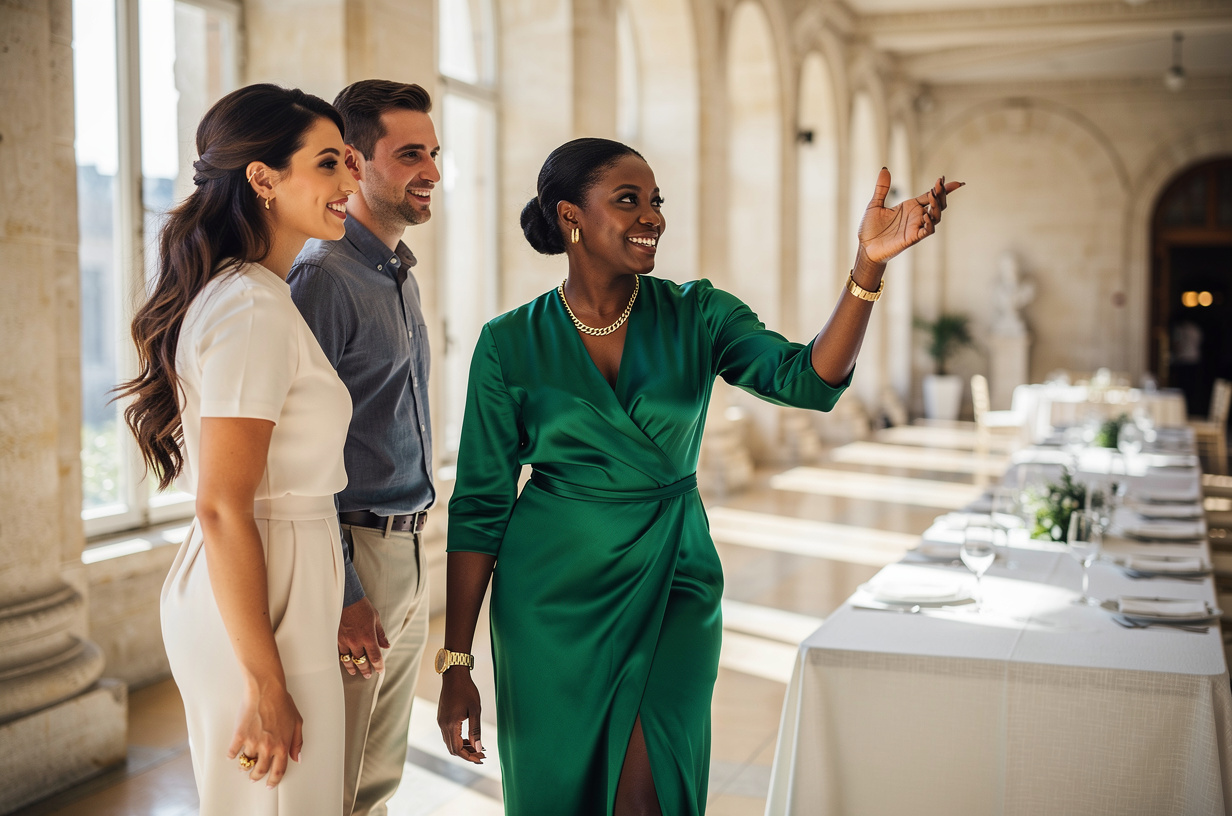
I see this constantly with women who run service businesses, and there's real history under it. Black women in client-facing work are held to a warmth standard nobody else is graded on. Be a little too brief and you're "short." Be a little too efficient and you're "cold." So we over-deliver on tone as protection, and writing every word fresh feels like the safest way to make sure nobody can say we didn't care.
There's also the plain fact that nobody ever showed her another way. Jada started this as a side thing for friends' baby showers. The process she uses today is the one she made up for client number three, scaled to client number forty without anybody stopping to redesign it.
That's how most small businesses end up running: on the first workaround that ever worked. Nothing is broken, exactly. It just never grew up alongside the business.
And when you're the only one doing the work, nobody is standing far enough away to notice the pattern. It just feels like the job.
Here's what she hasn't noticed: her clients never see the blank page. They see the email. And an email that's ninety percent the same every time, with the right personal touches, reads as more cared for, not less, because nothing ever gets forgotten.
The Questions I Would Ask Jada
1️⃣ How long did your last welcome email take, start to finish, including finding the right contract?
2️⃣ If you laid your last five welcome emails side by side, which sentences would actually be different?
3️⃣ Has a new client ever had to write back and ask you for something you forgot to include?
4️⃣ When you're exhausted, what does the welcome lose first — and do your clients notice?
None of these questions doubt her care. They ask where the care is actually going, and whether the part of the email that changes is getting the attention, or the part that never does.
The care is in the three sentences that change. Everything else deserves to be written once.
The Baddie Stack Prescription 💅🏾📱⌨️
📝 A saved welcome template with three personal slots. Most email programs let you save a reusable message you can insert in one click. Jada writes her best welcome once, on a good morning, and marks three spots that are always personal: the client's name and event, one detail from the call, and one line about what she's most excited to build for them. Ninety percent written once, ten percent written fresh, every single time.
📋 One intake form that collects the nine details for her. A simple online form, linked in the welcome, asks for the date, venue, guest count, budget range and everything else she currently chases by email. The answers land in one spreadsheet, so the details live in a single place instead of in five reply threads.
⚙️ A welcome sequence that starts itself when the contract is signed. Booking and client-management tools can send a set of messages on a schedule: the welcome the day the deposit clears, a gentle reminder about the form three days later, the planning timeline at the end of the first week. Jada reviews the sequence once a season. She doesn't write it forty times.
This breakdown can be customized with a Digital Systems Scan
None of this makes Jada less personal. It frees up the forty-five minutes she used to spend retyping, so she can spend five of them on something no template could ever do: a handwritten card in the mail the week they book, the way her grandmother would have. That's where the warmth was always supposed to go.
Jada doesn't care too much. She's caring in the wrong place, spending her warmth on the parts of the email that never change. Build those once, and the welcome finally sounds like her on her best morning, every time, even after a ten-hour Saturday.
Take the 4-minute Digital Literacy Assessment to see where your setup actually stands: Start
Then connect with me directly. I will help you write it once and mean it every time.
Stay Savvy, Baddies 💅🏾.
Tech Baddie Out.